DIGESTION
Low Stomach Acid: Symptoms, Self-Tests, and Why It Matters More Than You Think
Hypochlorhydria looks like high acid on the surface — reflux, bloating, indigestion — but the underlying problem is the opposite, and treating it incorrectly makes everything worse.
What hypochlorhydria is
Hypochlorhydria is the medical term for insufficient production of hydrochloric acid by the parietal cells of the stomach. Adequate stomach acid is required for three things: breaking down protein, absorbing minerals (iron, magnesium, calcium, zinc) and vitamin B12, and killing pathogens that enter with food. When acid output drops — from age, chronic stress, autoimmune gastritis, or years of acid-suppressing medication — every one of those functions degrades.
Digestive symptoms
- Bloating shortly after meals.
- Feeling full quickly even with small portions.
- Frequent belching from fermentation of undigested food.
- Gas and flatulence, particularly after protein-heavy meals.
- Chronic diarrhea or constipation linked to poor digestion.
- Reflux or heartburn — yes, paradoxically, low acid can present this way.
- Nausea after eating protein or fat.
Nutrient deficiencies that follow
- Iron deficiency: Fatigue and anemia despite adequate dietary iron.
- B12 deficiency: Tingling in the extremities, memory loss, difficulty concentrating.
- Calcium and magnesium deficiency: Osteopenia, osteoporosis, muscle cramps.
- Zinc deficiency: Hair loss, brittle nails, weakened immunity.
Other downstream effects
Without adequate acid as a barrier, oral and food-borne bacteria reach the small intestine and overgrow there, producing SIBO with its inflammation, gas, and distension. Recurrent infections become more common because the first line of defense is gone, and food intolerances develop because partially digested proteins reach the immune system intact.
At-home baseline: the baking soda test
This home test gives a rough sense of acid production. It is not diagnostic but it is a useful starting point.
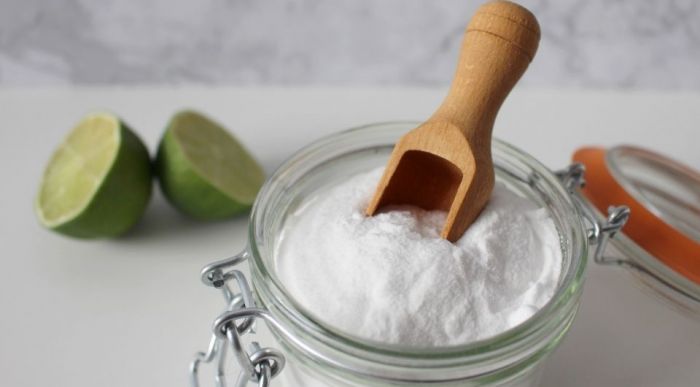
- Materials: 1/4 teaspoon pure baking soda, 1/2 glass of filtered water (about 120 ml), a timer.
- How: First thing in the morning before eating or drinking anything, dissolve the baking soda fully in the water and drink it in one go. Start the timer.
- Belching within 2 minutes: Normal acid production.
- Belching between 2 and 5 minutes: Mild hypochlorhydria likely.
- No belching or after 5 minutes: High likelihood of hypochlorhydria.
- Belching in under 30 seconds: Possible high acid, though this can also just be the chemical reaction outpacing digestion.
Run the test three days in a row for a clearer pattern. Do not run it if you are currently on antacids or PPIs.
Confirmatory: the Betaine HCl challenge
If the baking soda test suggests low acid, the Betaine HCl challenge is more specific. Take one capsule (350–650 mg) of Betaine HCl with pepsin alongside a protein-containing meal. If you feel mild warmth or burning, you likely have adequate acid — no need to continue. If you feel nothing, increase by one capsule per meal until you feel that mild warmth. The dose just below the warmth threshold is your working dose.
Important cautions: Do not run this test if you have ulcers, gastritis, or are taking NSAIDs. Always take Betaine HCl with food, never on an empty stomach. Do not exceed eight capsules without supervision.
What we do clinically
Confirming hypochlorhydria reframes the entire treatment. Patients who were taking PPIs for reflux often improve dramatically once acid is restored. We work upstream — addressing the cause (stress, H. pylori, autoimmune gastritis) — while supporting digestion with bitters, Betaine HCl, and digestive enzymes as needed.