AUTOIMMUNE
How to Heal Hashimoto Holistically: Detox, Gut Repair, and Stress Management
Hashimoto’s is rarely a thyroid problem in isolation. A functional approach addresses the gut, the adrenals, and the toxic load that drive the autoimmune attack.
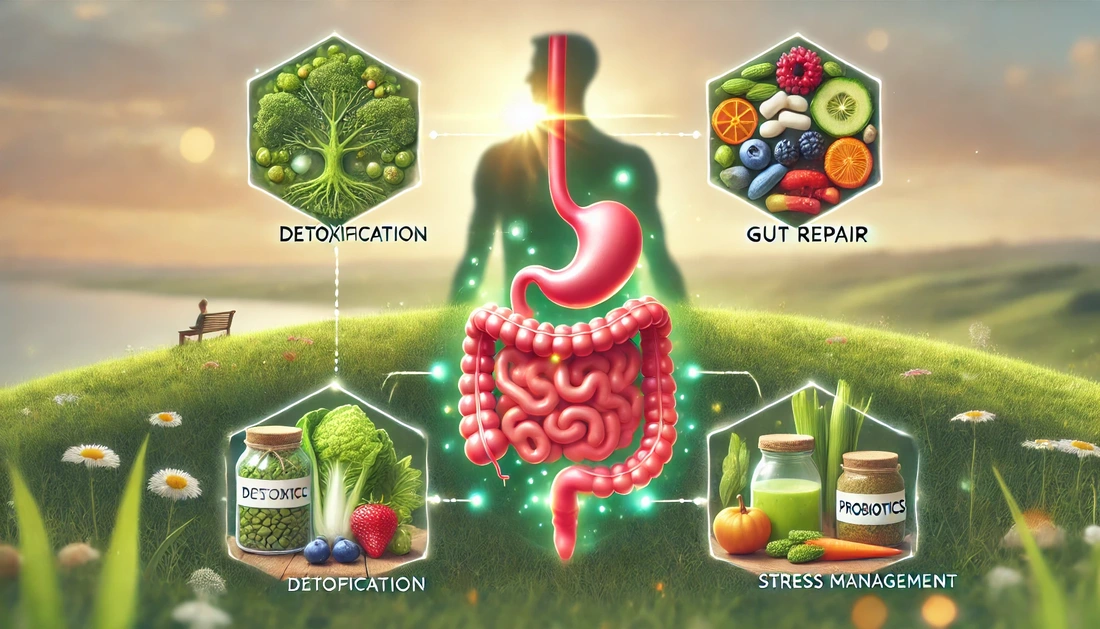
Why Hashimoto’s is more than a thyroid disease
Hashimoto’s thyroiditis is the most common autoimmune cause of hypothyroidism. The immune system mistakenly produces antibodies against thyroglobulin and thyroid peroxidase (TPO), the proteins required to make thyroid hormone, gradually destroying the gland. Symptoms include fatigue, weight gain, hair loss, cold intolerance, brain fog, and depression.
Standard care begins and ends with levothyroxine replacement. That addresses the hormone deficit but leaves the autoimmunity untouched. A holistic approach instead targets the root drivers: gut permeability, environmental toxins, chronic stress, and nutrient depletion.
What triggers the immune attack
- Genetic predisposition: Hashimoto’s runs in families, but genes alone do not produce disease — environmental triggers are required.
- Leaky gut: A permeable intestinal barrier lets undigested food particles and bacterial fragments into circulation, priming a chronic immune response that cross-reacts with thyroid tissue.
- Molecular mimicry: Gluten in particular shares structural similarity with thyroid proteins, which is why a strict gluten-free diet can lower antibody titers.
- Toxic burden: Mercury, lead, and endocrine-disrupting chemicals in plastics and personal-care products inflame thyroid tissue and dysregulate immune function.
- Chronic stress: Sustained cortisol elevation suppresses T-regulatory cells and worsens any existing autoimmune process.
Step one: remove inflammatory foods
A six-to-twelve-week elimination is the foundation. Remove gluten completely, dairy (especially A1 casein), soy, and refined grains. Many patients also benefit from a temporary pause on legumes and nightshades. Reintroduction is done one food at a time while monitoring symptoms.
Step two: heal the gut
Once inflammatory inputs are reduced, the intestinal barrier can be rebuilt. The core tools are L-glutamine (typically 5 g three times daily), high-quality probiotics that include spore-based strains, bone broth for collagen and glycine, and zinc carnosine. We also use targeted binders if there is evidence of mold or heavy-metal exposure.
Step three: lower the toxic load
Reducing daily exposure matters as much as active detoxification. Switch to filtered water, organic produce where possible, and personal-care products free of parabens and phthalates. For active mobilization we use cilantro, chlorella, infrared sauna, and Epsom-salt baths, always paired with a binder such as activated charcoal to prevent reabsorption.
Step four: support the adrenals
Adaptogens — ashwagandha, rhodiola, Siberian ginseng — help recalibrate the HPA axis. Vitamin C, pantothenic acid (B5), and stable blood sugar from balanced meals are non-negotiable. Sleep is the strongest single intervention for adrenal recovery.
Step five: replenish key nutrients
Selenium (200–400 mcg daily) lowers TPO antibodies in multiple trials. Vitamin D should be optimized to 50–70 ng/mL. Omega-3 fatty acids reduce systemic inflammation, and adequate iron, zinc, and tyrosine support hormone synthesis.
The goal: remission, not just management
With this combined approach many patients see antibodies fall by half or more within six months, energy and mood lift well before lab values normalize, and in some cases medication needs to be reduced. The goal is not to fight the immune system but to remove the inputs that keep it dysregulated.