GUT HEALTH
Why the Gut Microbiome Is the Center of Functional Medicine
Recent research keeps pulling the same conclusion: a balanced microbiome is upstream of immunity, mood, hormones, and metabolic health. This is why we start almost every protocol there.
An organ we did not know we had
The collection of trillions of bacteria, archaea, fungi, and viruses living in the human intestine is now understood to behave as a single organ — one that produces neurotransmitters, modulates the immune system, regulates short-chain fatty acid production, and influences gene expression throughout the body. When the composition of this community shifts, the downstream consequences reach systems that on the surface seem unrelated to digestion.
The gut–brain axis
Roughly 90% of the body’s serotonin is produced in the gut, and the vagus nerve carries constant signaling traffic between the intestine and the brainstem. Dysbiosis — an imbalance in microbial species — is now consistently associated with anxiety, depression, brain fog, and even Parkinson’s disease in epidemiological data. Restoring microbial diversity is one of the most reliable mood interventions we can offer that does not involve a pharmaceutical.
The gut–immune connection
About 70% of immune tissue sits in and around the gut wall. The microbiome trains the immune system to distinguish friend from foe, and a disrupted gut almost invariably precedes autoimmune disease. Patients with Hashimoto’s, rheumatoid arthritis, psoriasis, and multiple sclerosis consistently show distinctive microbial signatures.
Metabolism and weight
Specific bacterial groups — Akkermansia muciniphila, certain Lactobacillus strains, butyrate-producing Faecalibacterium prausnitzii — are associated with insulin sensitivity and a lower set point for body weight. Their absence predicts metabolic syndrome more accurately than many traditional markers.
What disrupts the microbiome
- Antibiotics: A single course can take a year or more to fully recover from.
- Glyphosate and other agricultural chemicals: Selectively kill beneficial species while sparing pathogens.
- Chronic stress: Cortisol changes mucus production and feeds opportunistic strains.
- Low-fiber diets: Fiber is the substrate beneficial bacteria ferment into short-chain fatty acids.
- Proton-pump inhibitors and other common medications: Raise gastric pH and let oral flora colonize the small intestine.
How we approach restoration
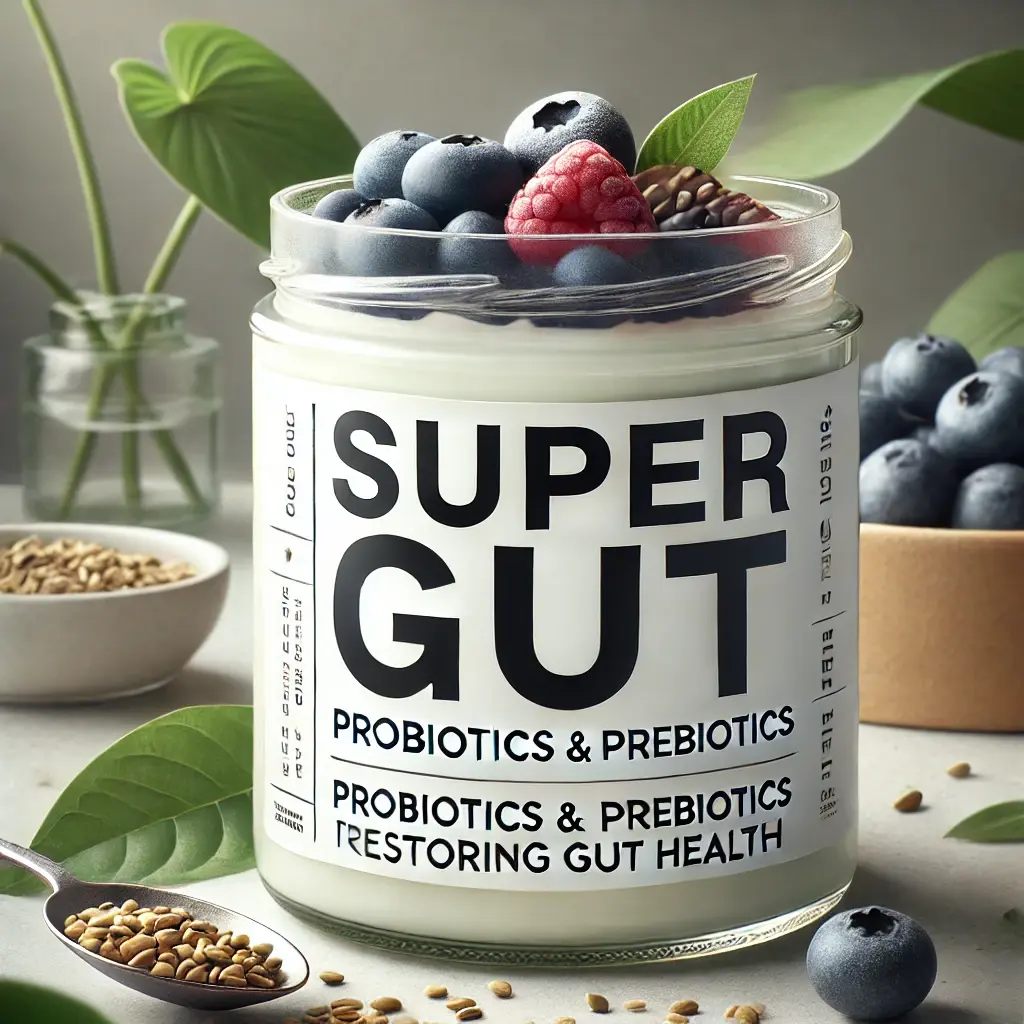
Our standard sequence is to remove inflammatory inputs, identify and treat overgrowths (SIBO, candida, parasites) with targeted botanicals, rebuild diversity with fermented foods and Super Gut Yogurt cultures, and reinforce the intestinal barrier with L-glutamine, zinc carnosine, and bone broth. This four-step framework — remove, replace, reinoculate, repair — is the foundation under everything else we do.
The research keeps confirming the same thing
Whether the diagnosis is autoimmune, metabolic, psychiatric, or simply “I do not feel well,” the most cost-effective first move is to look at the gut. Stool testing, organic acid analysis, and an honest dietary review reveal more about a patient’s trajectory than almost any other workup.