NEUROREGENERATION
Cerebrolysin: A Neurotrophic Approach to Brain Repair
A peptide blend originally developed for stroke and dementia recovery is finding a new place in cognitive-optimization protocols. Here is what it does and who benefits.
What is Cerebrolysin?
Cerebrolysin is a porcine-brain-derived mixture of low-molecular-weight neuropeptides and free amino acids developed in Austria more than four decades ago. It is administered by intramuscular or intravenous injection and has been studied extensively across acute stroke, traumatic brain injury, vascular dementia, and Alzheimer’s disease.
Its appeal in functional and longevity medicine is that it mimics the action of endogenous neurotrophic factors — molecules the brain produces less of as we age — and does so without the side-effect profile of pharmaceutical stimulants.
How it works
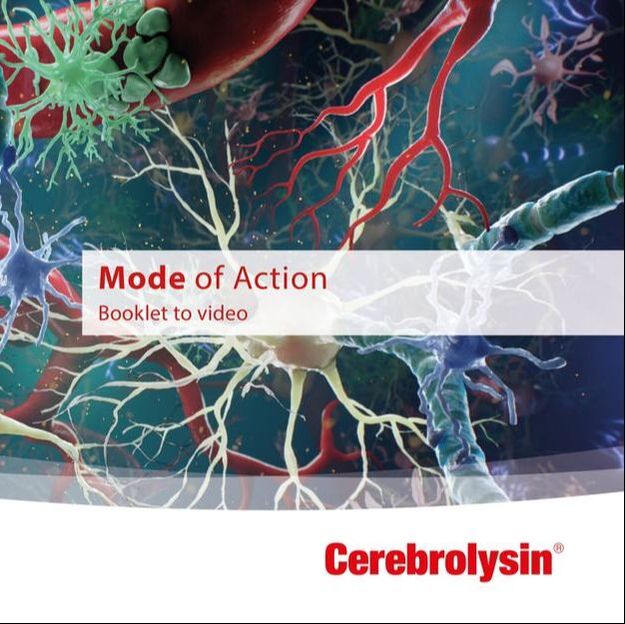
Cerebrolysin acts on the brain through several converging pathways. It crosses the blood-brain barrier and behaves like a partial agonist at receptors normally occupied by brain-derived neurotrophic factor (BDNF), nerve growth factor (NGF), and ciliary neurotrophic factor (CNTF). The result is a set of effects you would not get from a single molecule:
- Neurogenesis support: Stimulation of new neuron formation, particularly in the hippocampus.
- Synaptic plasticity: Enhanced dendritic branching and synapse formation, which is the cellular substrate of learning.
- Neuroprotection: Reduction of glutamate-driven excitotoxicity and oxidative stress after injury.
- Anti-inflammatory action: Downregulation of microglial activation, which drives the chronic low-grade inflammation of the aging brain.
Who is it for?
The strongest evidence base is in recovery from acute brain injury — stroke, concussion, and traumatic brain injury — and in slowing cognitive decline in early Alzheimer’s and vascular dementia. In an optimization setting we consider it for patients with measurable cognitive symptoms after head trauma, persistent brain fog following long COVID, and adults with a strong family history of neurodegenerative disease who want a proactive intervention.
What to expect
Most protocols run for ten to twenty consecutive days of daily injections, repeated one to three times per year. Patients commonly report improved mental clarity, faster word retrieval, better sleep, and a subjective lift in mood beginning around the second week and consolidating in the weeks after the course ends. Standardized cognitive testing — processing speed, working memory — is the most reliable way to confirm response.
Safety considerations
Cerebrolysin has a strong safety record across decades of use in Europe and Asia, but it is not approved by the FDA in the United States and should only be used under medical supervision. It is contraindicated in pregnancy, severe renal impairment, and active seizure disorders. We always run baseline labs and a cognitive assessment before starting.