PEPTIDES
Ipamorelin: A Selective Growth-Hormone Releaser for Recovery and Longevity
A clean alternative to direct growth-hormone therapy, ipamorelin stimulates the pituitary to release GH in natural pulses while sparing cortisol and prolactin.
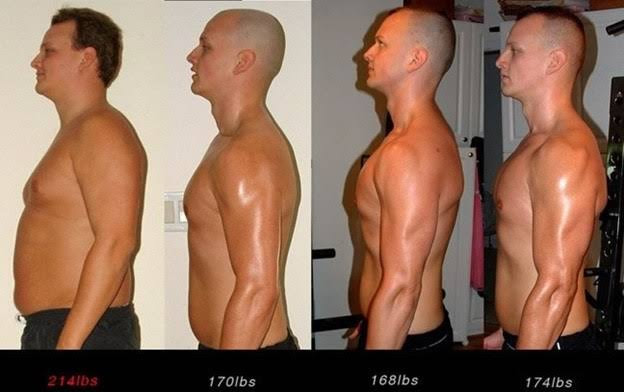
What is Ipamorelin?
Ipamorelin is a synthetic pentapeptide classified as a growth-hormone-releasing peptide (GHRP). Rather than introducing exogenous growth hormone, it signals the pituitary gland to release the body’s own GH in a pattern that mimics natural pulsatile secretion. This distinction matters: pulsatile release downstream of the hypothalamus preserves negative-feedback regulation, while direct GH injection can shut that loop down.
How it works
Ipamorelin binds selectively to the GHS-R1a (ghrelin) receptor in the pituitary, triggering GH release. What makes it different from older GHRPs is its selectivity: it does not measurably raise cortisol, prolactin, or aldosterone, which were the main side-effect liabilities of earlier peptides in this class. The result is a clean stimulus to endogenous GH and, indirectly, to IGF-1 production in the liver.
Documented benefits
- Body composition: Improved ratio of lean mass to body fat over a course of treatment, particularly in adults with age-related GH decline.
- Tissue repair: Faster recovery from soft-tissue injuries — ligaments, tendons, muscle strains — and improved post-surgical healing.
- Sleep quality: Deeper slow-wave sleep, which is when natural GH release peaks. Many patients report this as the most noticeable change.
- Skin and collagen: Improvements in skin elasticity and hair quality consistent with restored GH signaling.
- Metabolic regulation: Better blood-sugar handling and reduced age-related abdominal adiposity in responders.
How it is used
Ipamorelin is administered by subcutaneous injection, typically at night to align with the body’s natural GH pulse. It is often paired with a GHRH analog such as CJC-1295 to amplify the release. Standard cycles run eight to twelve weeks with a break, and dosing is individualized to the patient.
Who is it for?
The strongest candidates are adults over 35 with documented suboptimal IGF-1, athletes recovering from soft-tissue injury, post-surgical patients where healing speed matters, and longevity-focused individuals looking to restore a more youthful GH pattern. It is not appropriate for active malignancy, pregnancy, or uncontrolled diabetes.
Safety considerations
Ipamorelin has an exceptionally clean safety profile across the published literature. The main practical issues are appropriate sourcing (compounded by a licensed pharmacy), correct injection technique, and clinical monitoring of IGF-1 to avoid pushing levels above the physiologic range. We re-test IGF-1 at four-week intervals and adjust accordingly.