Peptide Therapy & Cellular Regeneration
Peptide Bioregulators — How They Work
How they work to support the body’s health and regeneration — a clear, visual guide to the tissue-specific peptides that act like cellular master keys, restoring the body’s own production of repair proteins, organ by organ.
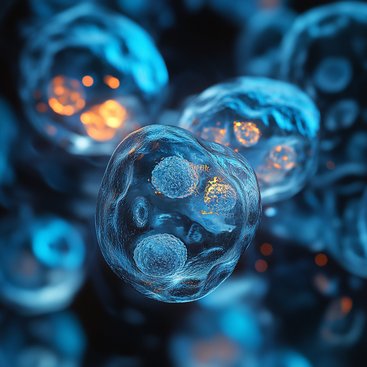
What Are Peptide Bioregulators?
Peptide bioregulators are short chains of amino acids that act as cellular “master keys” — capable of influencing gene expression and protein synthesis. Unlike hormones or pharmaceutical drugs, they do not force the body to perform an action; instead, they provide it with the information needed to optimize its own natural functions.
Discovered by the Russian scientist Vladimir Khavinson, these peptides are considered tissue-specific. This means that a peptide derived from brain tissue will only influence brain cells, one from the liver will only influence liver cells, and so on. Their primary function is to restore the optimal rhythm of protein production — which can decline due to aging or stress factors — helping to normalize organ function and amplify the body’s regenerative capacity.
At Cabo Health in Cabo San Lucas we integrate peptide bioregulators inside personalized longevity protocols, layered with diagnostics, IV nutrition and lifestyle interventions.
Mechanism of Action (6 Steps)
IDENTIFICATION OF THE TARGET ORGAN
Each peptide is designed to target a specific organ. Its structure allows it to “fit” with the cells of that organ.
ENTRY INTO THE ORGAN’S CELLS
Once at its destination, the peptide enters the cells, crossing the cell membrane thanks to its diminutive size.
BINDING TO DNA IN THE NUCLEUS
Inside the nucleus, the peptide binds to regions of the DNA and regulates gene expression without altering the genetic code.
GENE ACTIVATION AND PROTEIN PRODUCTION
Gene activation drives the production of the proteins and enzymes required for healthy cellular function.
STIMULATION OF NATURAL REGENERATION
The organ can repair itself, generate new cells and improve its natural functions.
AWAKENING OF INTERNAL CAPACITY
Peptides do not add hormones or drugs; they “communicate” with the body so that it activates its own resources.
Examples by Target Organ
A-19 (Lungs)
A-19: targets lung cells.
Cerluten (Brain)
Cerluten: designed for the brain.
Thymogen (Immune System)
Thymogen: acts on the immune system.
A-6 (Heart)
A-6: targets cardiac cells.
A-7 (Pancreas)
A-7: designed for the pancreas.
A-17 (Vision)
A-17: acts on the retinal tissue.
Practical Examples
Practical example — improvement of lung function
Clinical Relevance and Research
While the proposed mechanism of action is elegant, scientific validation is fundamental. Research on bioregulatory peptides, led in large part by the Saint Petersburg Institute of Bioregulation and Gerontology, has explored their effects in cellular, animal and human studies for several decades. Much of this foundational work was led by Vladimir Khavinson, whose decades of research established the tissue-specific peptide model.
Key areas of research include:
- Gerontological research: One of the most studied areas is aging. Clinical trials have suggested that certain peptides, such as Epitalon (the AEDG tetrapeptide), can influence telomere length and melatonin production — key factors related to longevity and circadian rhythms.
- Specific therapeutic applications: Beyond anti-aging, research has addressed specific conditions. For example, the peptide Thymogen has been studied for its ability to modulate the immune response, being useful in cases of immunodeficiency. Similarly, Cerluten has been investigated for its potential to support cognitive function and protect neuronal tissue.